The
Publications



Featured Publication
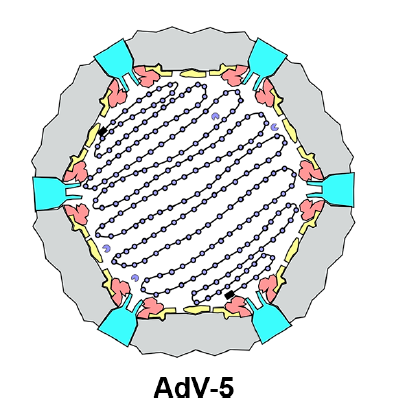
Appearing in: Proceedings of the National Academy of Sciences USA
Selected Publications
Genomic Characterization and Therapeutic Potential of the Lytic Bacteriophage Curly against Klebsiella pneumoniae in Human Innate Immune Cells and a Murine Pneumonia Model
I
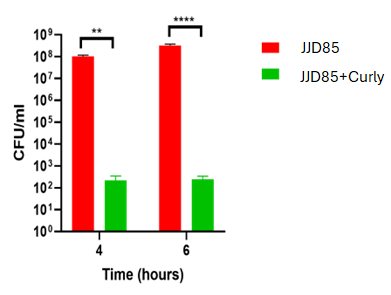
Klebsiella pneumoniae is an important cause of severe respiratory and systemic infections, and the increasing prevalence of multidrug-resistant strains has created an urgent need for alternative antibacterial strategies. In this study, nine K. pneumoniae-infecting bacteriophages isolated from diverse environmental sources were characterized genomically and functionally. Genome analyses revealed substantial genomic and proteomic diversity among the isolates. Functional screening against the clinical K. pneumoniae isolate JJD85 identified Curly as the most active phage, producing the highest plaque-forming titer and rapid suppression of bacterial growth in liquid culture. Curly was predicted to have a virulent lifestyle and encoded structural, genome-packaging, and DNA replication-associated proteins. In primary human monocyte-derived macrophage cultures, Curly markedly reduced bacterial burden in both cell-associated and cell-free fractions, while treatment of primary human neutrophil cultures produced an approximately 10^6-fold reduction in total recoverable bacterial burden. Transmission electron microscopy demonstrated phage-like particles within bacterial profiles located in both extracellular and macrophage-associated intracellular compartments. In a C57BL/6J murine pneumonia model, intranasal Curly treatment reduced pulmonary bacterial burden in a dose-associated manner, with approximately 10-fold and 100-fold reductions at the low and high doses, respectively. Curly treatment also attenuated infection-associated lung inflammation and preserved pulmonary architecture. These findings identify Curly as a promising bacteriophage candidate against K. pneumoniae and support further evaluation of its host range, resistance profile, and therapeutic potential.
Learn More
High Sensitivity of Facility-Level Wastewater Surveillance for Detecting Respiratory Virus Surges in Large Municipal Hospitals in New York City
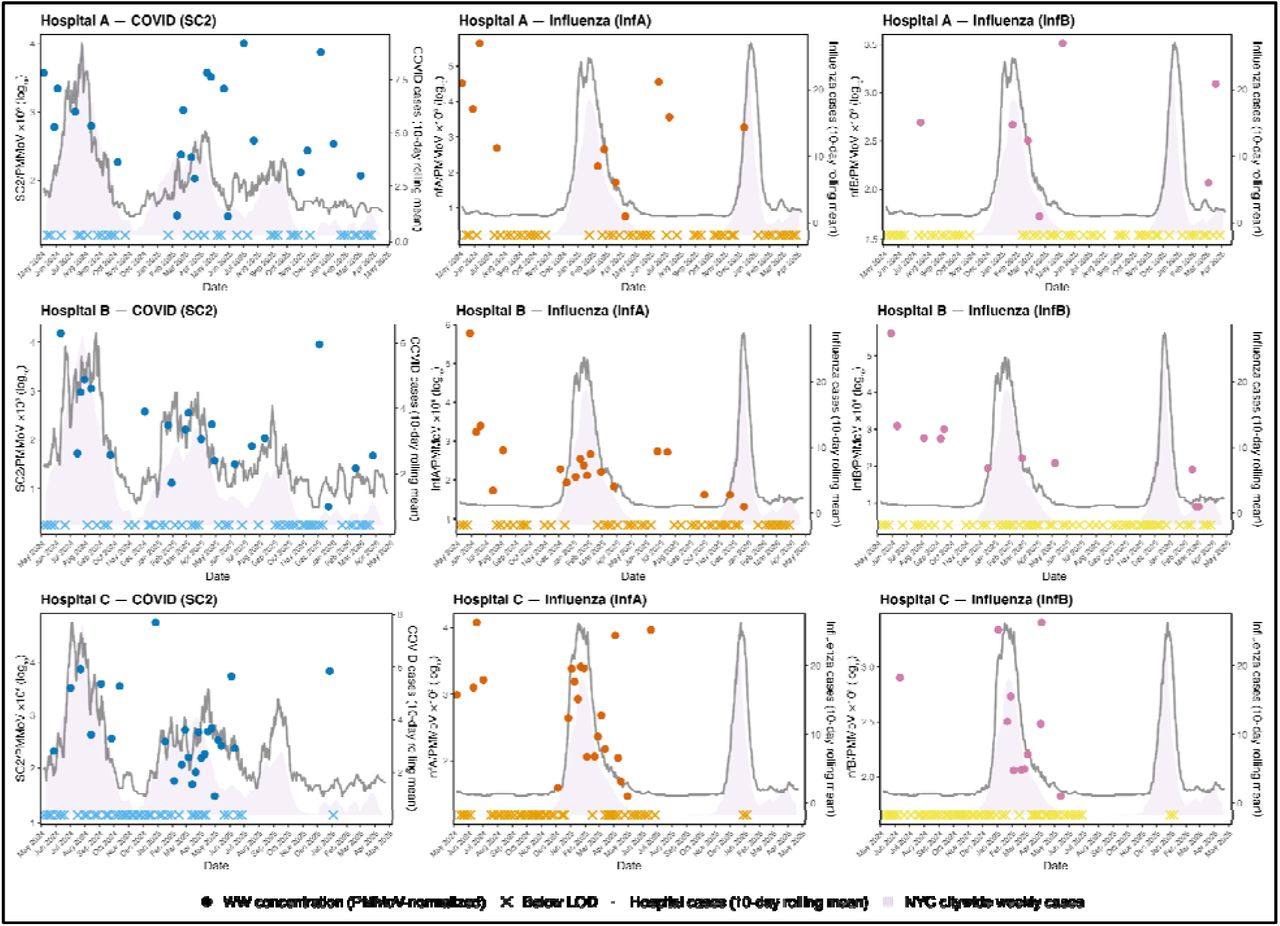
Hospital-based wastewater surveillance may complement community and clinical surveillance data in important ways, and may be useful in jurisdictions without community-based wastewater surveillance. From May 2024-April 2026, we analyzed weekly samples (n=190) from three hospitals in New York City using digital PCR to evaluate the sensitivity, specificity, and positive predictive value (PPV) of wastewater viral detection against facility SARS-CoV-2 and influenza A/B inpatient caseloads. Sensitivity was 38-42% for SARS-CoV-2 and 36-49% for influenza A/B, while specificity exceeded 72% for all pathogens. During respiratory seasons, sensitivity reached 81% for SARS-CoV-2 and 81% for influenza A; both had 100% sensitivity during peak case weeks. Notably, off-peak influenza detections occurred in hospital wastewater at all three hospitals in summer 2024 without corresponding hospital case detection, suggesting the presence of undiagnosed cases. These findings underscore the potential utility of hospital-based wastewater monitoring for tracking respiratory virus activity.
Learn More
Translation Efficiency Impacts Phage Lysis Timing and Its Precision in Single Cells
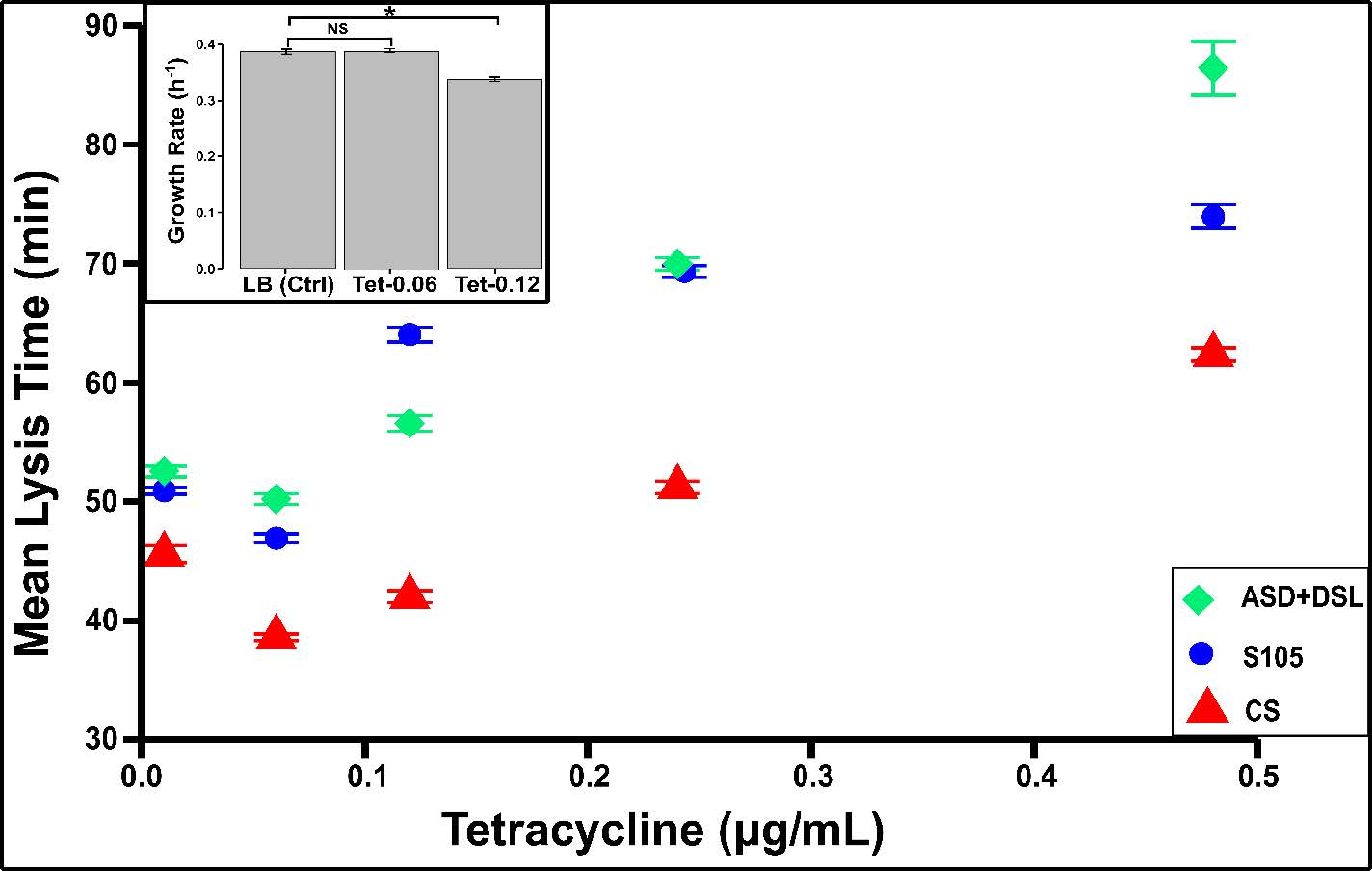
The timing of host cell lysis is a fundamental life history parameter in bacteriophages as it presents an evolutionary trade-off between maximizing intracellular phage replication and optimizing transmission to new host cells, ultimately determining viral fitness in dynamic bacterial populations. In the bacteriophage λ, lysis time is dependent on the expression of a timekeeper protein, holin, which accumulates in the Escherichia coli inner membrane. Cell lysis is triggered when the membrane concentration of holin crosses a critical threshold level. In the present study, we investigated the effects of the rate of holin translation on lysis timing and its precision. We show that modulating holin translation efficiency through genetic modifications and antibiotic treatment alters bacteriophage lysis timing and its precision, providing insight into how phages optimize the evolutionary trade-off between replication and transmission. Reducing ribosomal binding affinity decreased holin expression and delayed lysis, while optimizing the Shine-Dalgarno sequence enhanced translation and accelerated lysis. Surprisingly, very low tetracycline concentrations may have improved translation efficiency and hastened lysis, whereas higher doses predictably delayed it. In all cases, longer lysis times corresponded with decreased timing variability. A model that incorporates stochastic gene expression with additional stochasticity in the initiation of holin expression was sufficient to explain the data. Thus, we demonstrated that modifying the rate of holin translation can be used as an evolutionary strategy to achieve optimum lysis timing.
Learn More